
Our approach to aviation emissions
Our many journeys have one shared direction
In a region with spectacular but challenging geography, aviation plays an essential role in connecting Scandinavia. It enables people to live, work and do business across long distances and supports trade and cooperation with the rest of the world. Without aviation, Scandinavia would not be what it is today.
At the same time, aviation is an emissions-intensive mode of transport. Reducing its climate impact is a complex, long-term challenge that requires structural changes across technology, fuels, infrastructure and regulation.

Our strategic direction for reducing aviation emissions
We recognize that flying contributes to climate change. SAS is working to reduce emissions from flight operations over time, focusing on measures that can support the aviation industry’s transition.
Our primary focus is lowering CO₂ emissions through fleet renewal, operational efficiency, alternative fuels and partnerships across the aviation value chain. These efforts are part of a long-term transformation and depend on technological development, fuel availability, and regulatory frameworks.
SAS has set targets to guide this work. FY 2025 marked the target year for SAS emissions reduction objective, aiming to reduce carbon emissions by 25% compared to 2005. SAS has achieved a 25% reduction excluding SAF. In 2030, we are aiming to purchase SAF corresponding to the domestic fuel consumption with a subject to the availability of compliant alternative fuels and regulatory conditions.
The initiatives described below outline how we are working towards reducing emissions from aviation while continuing to provide essential connectivity.

Our goals
The goals below set the direction for SAS’ long-term work to reduce emissions from aviation and improve operational performance. All targets are based on current knowledge and assumptions and are subject to technological development, fuel availability and regulatory conditions.
2025 – Goal achieved
25% lower total CO₂ emissions compared with 2005 (absolute emissions)
2030
50% reduction in perceived noise compared with 2010 levels
2030
Use of SAF equivalent to the fuel consumption of SAS’ domestic operations, subject to availability and compliance with EU regulation
2030
Transition towards materials and products designed for circular use across SAS’ offering, where technically and operationally feasible
2030
Increased recycling rates across operations, where possible and in line with regulatory requirements
2050
Long-term ambition to significantly reduce CO₂ emissions from flight operations in line with international aviation climate frameworks, with a primary focus on direct emission reductions and residual emissions only
Our initiatives
SAS’ initiatives focus on reducing emissions from flight operations and improving operational efficiency across the aviation system. These initiatives address different parts of the value chain and vary in maturity, availability, and potential impact. Some solutions are already in use today, while others depend on future technological development and regulatory frameworks.
New fleet with reduced emissions
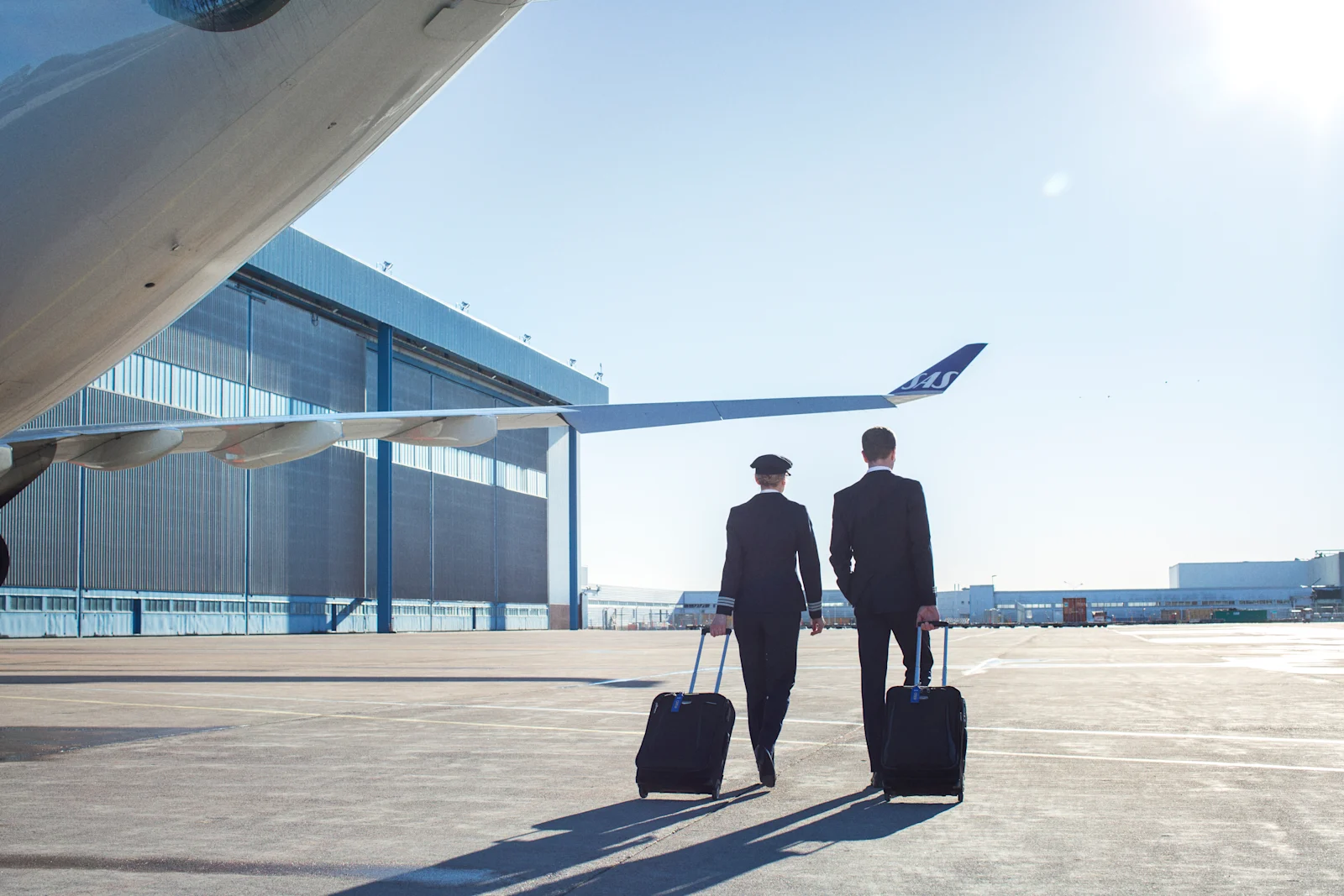
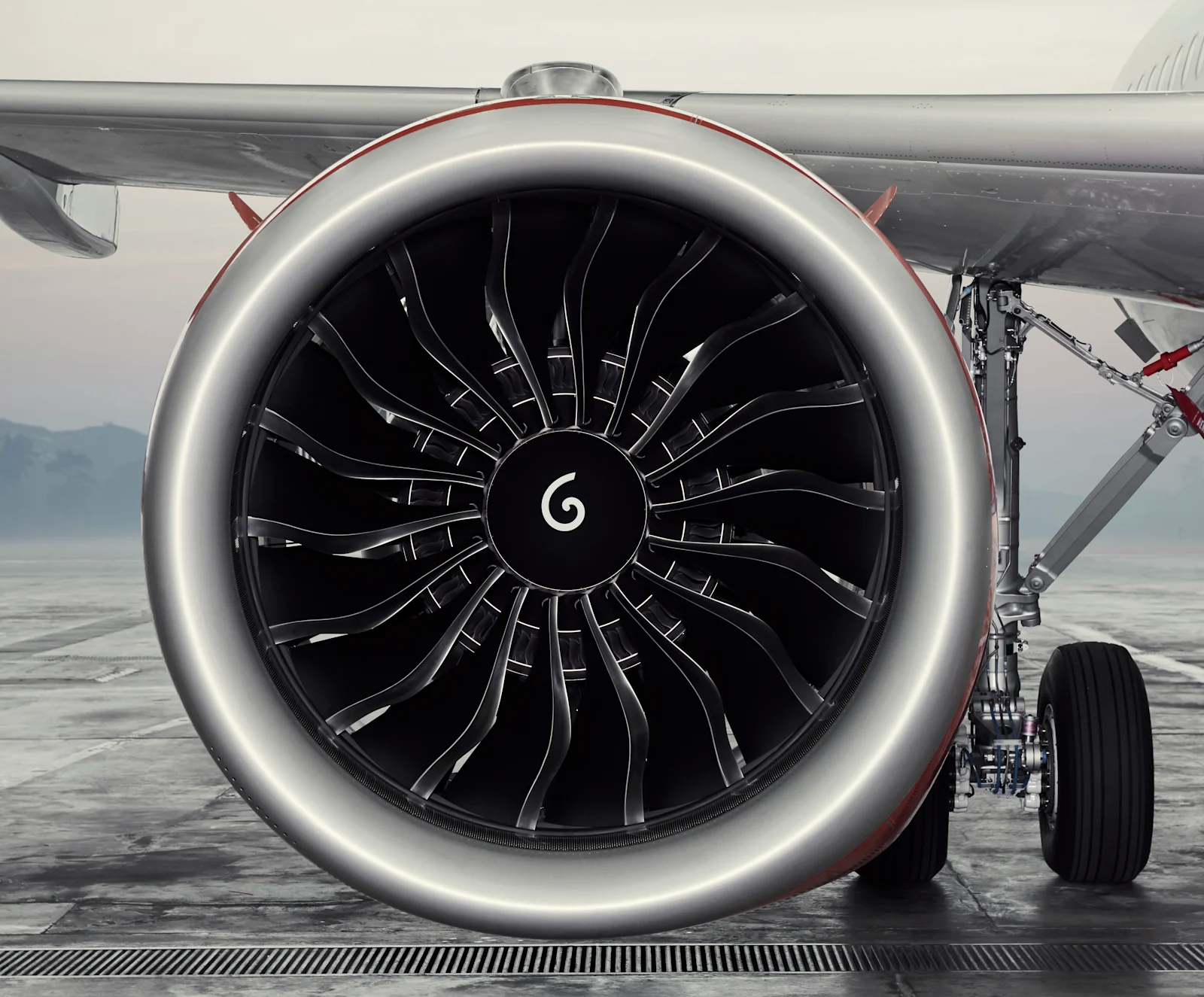
We are phasing in newer, more fuel-efficient aircraft as part of our fleet renewal. Today, approximately 70% of the SAS fleet consists of newer aircraft models. Compared with previous generations, these aircraft use around 15–30% less fuel per seat, which reduces CO₂ emissions from flight operations. They are also quieter and designed to improve the onboard experience.
Next generation aircraft concepts
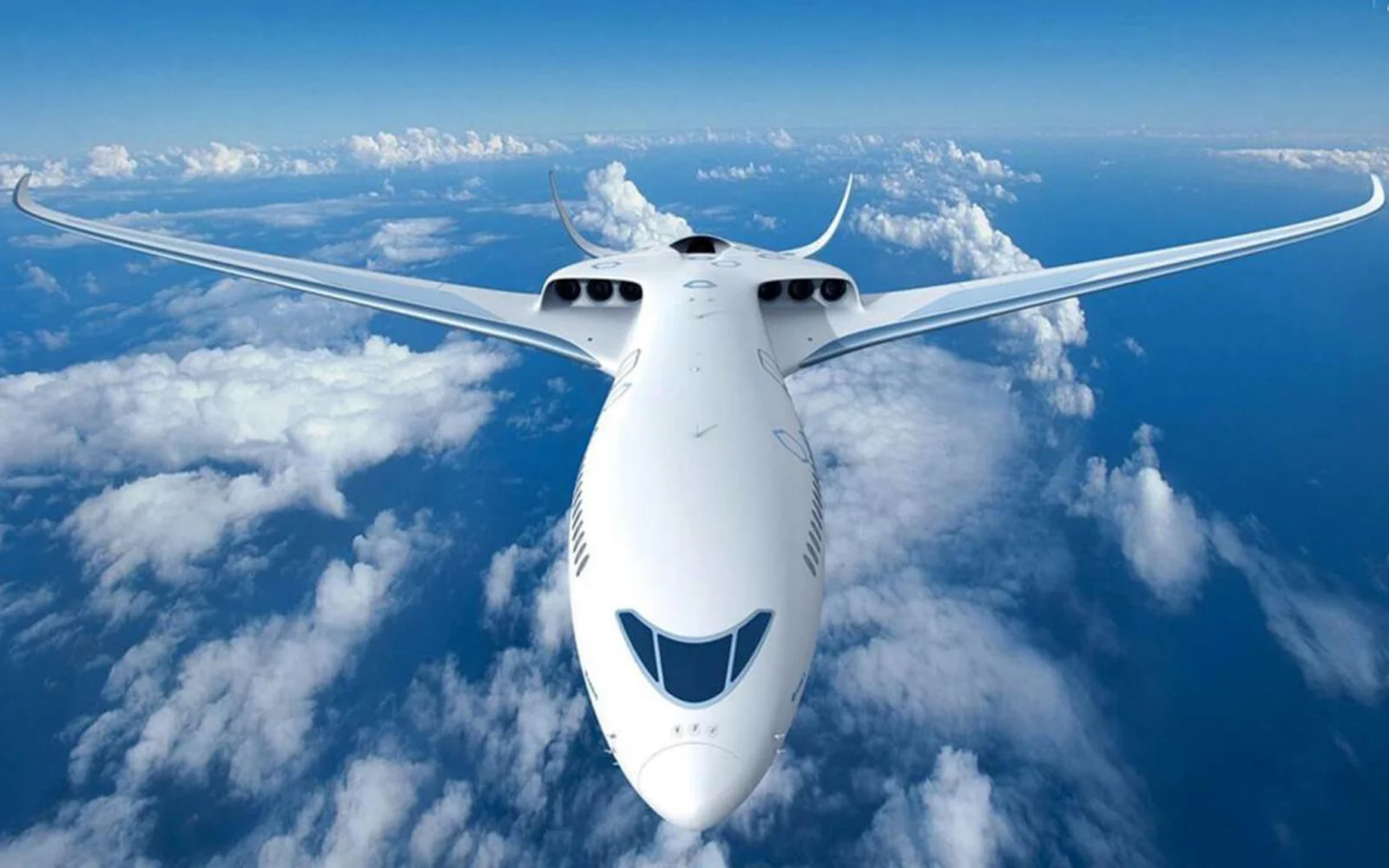
In parallel, SAS supports the development of next-generation aircraft technologies designed to reduce emissions during operation. These concepts include aircraft powered by electricity or hydrogen and are currently under development. Such technologies are not yet available for commercial aviation and depend on further technological progress, infrastructure development, and regulatory approval.
Electric and hydrogen aircraft
In 2019, SAS partnered with Airbus to support the development of future aircraft concepts using electricity and hydrogen. Aircraft powered by hydrogen could operate without CO₂ emissions during flight, depending on how the hydrogen is produced. According to current projections, the first such aircraft concepts could become available in the 2040s, subject to technological and regulatory developments.
Nordic Network for Electric Aviation
SAS is a member of the Nordic Network for Electric Aviation (NEA), a collaboration between industry, authorities and research institutions aimed at advancing electric aviation in the Nordic region. The network focuses on aircraft development, infrastructure, operations and regulatory readiness to support future regional connectivity.

SAF – alternative aviation fuel
SAF is an alternative to conventional jet fuel. While SAF emits similar levels of CO₂ during combustion, its potential lies in lower lifecycle CO₂ emissions, depending on how it is produced. Emissions from the flight itself remain largely unchanged.
SAF is used across the aviation fuel supply system, not for individual flights. Under EU regulation, fuel suppliers are required to blend a minimum share of SAF, which is already included in the ticket price for flights departing from EU union airports (usually larger airports). Any additional SAF initiatives support broader uptake over time and do not directly affect the emissions of a specific journey.

Contributions help support broader SAF uptake
Travelers have the option to contribute to the purchase of SAF. As a thank you, SAS awards 1 EuroBonus level point per SEK spent.
SAF is supplied through the existing fuel distribution system using a mass balance approach and is not linked to a specific flight. While SAF emits similar levels of CO₂ during combustion as conventional jet fuel, it can result in lower lifecycle CO₂ emissions compared to fossil jet fuel, depending on feedstock and production pathway.
Emissions from an individual flight remain largely unchanged. Due to current technical and regulatory constraints, aircraft can only operate with limited proportions of SAF, and global availability is still limited.
By contributing, travelers help increase demand for SAF and support its broader market uptake over time. Contributions do not directly reduce the emissions of a specific journey.
Operational improvements across the journey
Onboard materials and packaging
SAS continuously reviews onboard products and packaging to reduce unnecessary materials, such as plastic. Updated packaging designs have reduced plastic use by approximately 51 tonnes per year. Over time, SAS is working towards increased use of materials designed for reuse, recycling or circular handling across the onboard offering, subject to technical and regulatory requirements.
Weight reduction onboard
Reducing aircraft weight is one of several measures used to improve fuel efficiency. SAS invests in lighter aircraft, materials and seat designs and implements smaller adjustments, such as lighter onboard equipment, where feasible. Within cargo operations, lighter containers and planks have contributed to lower fuel consumption over time, reducing CO₂ emissions across operations.
Aircraft cleaning (dry wash)
Maintaining clean aircraft surfaces can support operational efficiency by reducing drag. SAS uses dry washing methods that significantly reduce water use compared with conventional washing. These methods use biodegradable cleaning agents and require substantially less water, supporting more resource-efficient aircraft maintenance.
Corporate Sustainability Program
Aviation plays an important role in connecting people, cultures, and businesses. SAS works with corporate customers that wish to address emissions associated with business travel and transport through structured cooperation.
Through the SAS Corporate Sustainability Program, companies can contribute to the increased use of SAF within SAS’ operations. SAF is used across the fuel system and is not allocated to individual flights. The program focuses on industry-wide fuel use rather than changes to specific journeys.
Reporting
SAS has reported on its sustainability-related initiatives since 1996 through externally audited reports.
All reports are available at SAS Group.
If you have any questions regarding SAS’ sustainability-related work, please contact [email protected]